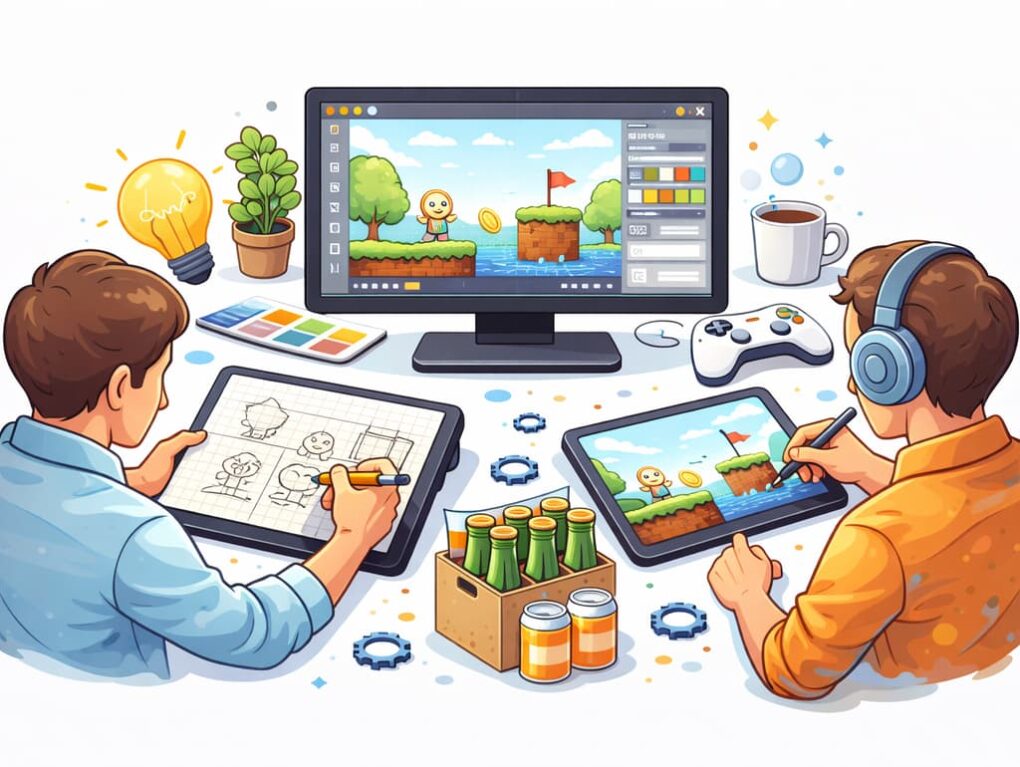
Making a video game is never a solo effort – behind every successful title stands a diverse team of professionals working toward a common vision. The modern gaming industry, much like other digital entertainment sectors, including platforms such as amerikaanseonline.casino and streaming services, relies heavily on collaborative expertise to deliver engaging experiences. Understanding team dynamics helps explain why some games succeed while others fail.
Core Team Members and Their Functions
Game Designers Shape the Experience
Game designers create the blueprint for everything players encounter. They map out levels, design mechanics, and establish rules that govern gameplay.
These professionals spend countless hours testing and refining systems. Their decisions directly impact whether a game feels rewarding or frustrating. A good designer balances challenge with accessibility.
Designers also create progression curves that keep players engaged over time. They study player behavior data to identify where people lose interest. Many designers specialize in specific areas such as combat systems, economic balance, or tutorial design. Their documentation guides the entire team’s work.
Programmers Build the Foundation
Programmers transform creative concepts into functional code. They handle everything from physics engines to user interfaces.
Technical challenges arise constantly during development. Programmers solve bugs, optimize performance, and ensure the game runs smoothly across different platforms. Their work often goes unnoticed by players, but without it, nothing else matters.
Different programmers focus on distinct areas. Gameplay programmers implement character controls and game rules. Engine programmers build core systems that everything else depends on. Network programmers enable multiplayer functionality. Each specialization requires years of experience to master effectively.
Creative Professionals Who Bring Games to Life
Artists Create Visual Identity
Visual artists establish a game’s aesthetic direction. They design characters, environments, textures, and animations that players remember long after finishing.
The art team works closely with designers to ensure visuals support gameplay. Color schemes guide player attention. Character designs communicate personality without words. Environmental details tell stories that dialogue never could.
Sound Designers and Composers
Audio professionals craft the sonic landscape that immerses players. Music sets the emotional tone while sound effects provide crucial feedback.
Have you noticed how specific sounds become associated with certain games? That’s intentional design. Audio cues help players understand what’s happening without looking at the screen. Background music adapts to gameplay intensity.
Supporting Roles That Ensure Quality
Several other positions contribute to successful game development:
- Quality Assurance Testers play builds repeatedly to identify bugs and balance issues. They document problems and verify fixes, ensuring the final product meets quality standards.
- Producers manage schedules, budgets, and team coordination. They keep projects on track and facilitate communication between departments, preventing bottlenecks that delay release.
- Writers develop narratives, dialogue, and lore that give games depth. They collaborate with designers to integrate story with gameplay, creating memorable characters and compelling worlds.
- Technical Artists bridge the gap between art and programming teams. They create tools and workflows that help artists efficiently implement assets while meeting performance targets.
Communication Makes or Breaks Projects
Teams must communicate constantly throughout development. Designers need feedback from programmers about what’s technically feasible. Artists require specifications from designers about asset requirements.
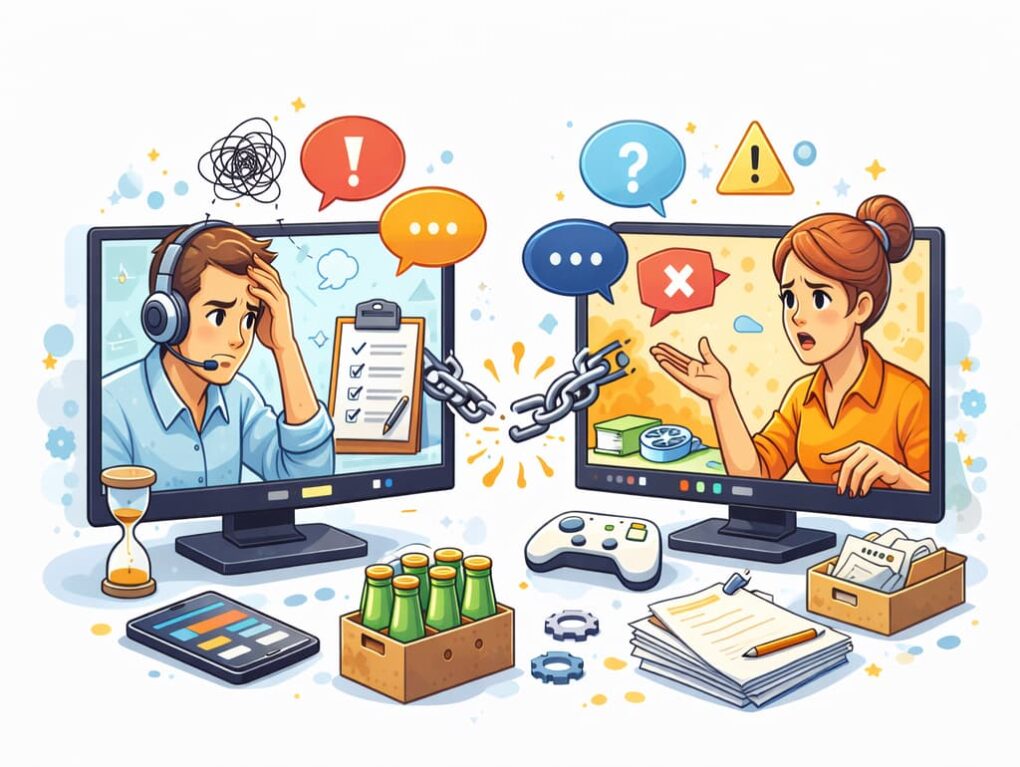
Regular meetings keep everyone aligned on priorities. Quick standups address immediate concerns. Longer sessions tackle complex problems requiring multiple perspectives.
Creative disagreements happen in every project. Different team members have varying visions for the final product.
Successful teams resolve conflicts through respectful discussion. They focus on what serves the game best rather than personal preferences. Sometimes the right answer means compromising between competing ideas.
The Impact of Team Size and Structure
Small indie teams operate differently from large studios. Indies often have members wearing multiple hats. One person might handle both art and design responsibilities.
Larger studios divide labor into specialized roles. This allows deeper expertise but requires more coordination. Neither approach is inherently superior. What matters is matching team structure to project scope and budget constraints.
Long-Term Team Development
Building a strong development team takes time. Members learn each other’s strengths and communication styles. Trust develops through successful collaboration on projects.
The best studios invest in their people. They provide training opportunities and encourage skill development. Experienced teams work more efficiently because they’ve already navigated common challenges together. Why do some studios consistently produce hits while others struggle? Often it comes down to team chemistry and shared experience.
Creating successful video games demands coordinated effort from diverse specialists. No single role matters more than another. Designers, programmers, artists, and supporting staff all contribute essential pieces. The magic happens when these professionals collaborate effectively, combining their expertise to deliver experiences that resonate with players.